
Investing in real estate is often considered a safe and rewarding path to wealth in India. Yet, the decision between residential and commercial properties is not straightforward. Both have unique advantages, risks, and strategies, and the “best” choice depends heavily on your financial goals, risk appetite, and timeline.
In this article, we’ll break down both options, compare what all benefits both categories offer, and explore modern alternatives that make investing simpler and smarter.
Understanding Residential Real Estate
Before you invest in real estate, it’s very important to understand the domain thoroughly. Residential properties include all sorts of buildings like homes, apartments, villas, and plots meant primarily for living. For most people who are investing for the first time in real estate, residential property feels familiar and tangible; it’s easier to relate to a home than a complex commercial office.
Why People Choose Residential Real Estate:
People choose to invest in residential real estate for a variety of reasons. Let us look at the most common ones:
- Emotional Connection: Owning a home or apartment provides a kind of satisfaction that is very personal. Other than that, you get security.
- Accessible Financing: Home loans are widely available with lower interest rates and smaller down payments compared to commercial loans.
- Long-Term Appreciation: Residential areas near emerging hubs or upcoming infrastructure projects often see steady appreciation over time.
- Smoother Management: Renting out an apartment or house typically requires less legal and operational work than managing a commercial property.
Potential Drawbacks:
- Lower Rental Yields: Residential rental income generally hovers around 2–3% per year, often insufficient to cover inflation.
- Maintenance Responsibility: Landlords often handle repairs, utilities, and turnover of the tenant. These things can be time-consuming.
- Limited Upside in Saturated Markets: In already developed areas, price growth may be slow.
The Case for Commercial Real Estate
Commercial real estate includes offices, retail spaces, co-working hubs, industrial warehouses, and mixed-use complexes. These properties are rented out to businesses and can generate significantly higher returns than residential properties.
Advantages of Commercial Real Estate:
There are many, many reasons why investing in commercial real estate is a smart choice. Let us look at the most important ones:
- Higher Rental Returns: Typically 6-9% in a year. This makes it attractive for investors who are focused on income.
- Longer Lease Tenures: Businesses often sign contracts for multiple years. This reduces the risk of vacancy.
- Professional Tenants: Tenants who are commercial are usually responsible for utilities, maintenance, and property upkeep.
- Faster Appreciation in Prime Locations: Areas with strong business growth, infrastructure development, or connectivity see rapid capital gains.
Challenges:
- Higher Initial Investment: Commercial properties require a larger capital outlay than residential units.
- Complexity: Legal, tax, and lease documentation can be complicated. People should also take note and research thoroughly about commercial property loan interest rates.
- Economic Sensitivity: Vacancies may rise during slowdowns of the economy. This thing impacts returns to a good extent.
Head-to-Head Comparison
| Feature | Residential | Commercial |
| Rental Yield | 2–3% | 6–9% |
| Lease Duration | 1 year | 3–9 years |
| Initial Investment | Moderate | High |
| Management Effort | Moderate | High |
| Liquidity | Easier to sell | It may take longer |
| Risk Level | Lower | Higher, tied to market cycles |
From this table, it’s clear that residential property offers stability, while commercial property offers higher returns but with increased risk.
Now let us glance through the trends that are emerging in the real estate market in India.
Emerging Trends in Indian Real Estate
Now, let us take a look at the trends that are slowly developing in the Indian real estate scene.
Co-Working Spaces and Office Hubs
The rise of startups, work models that are hybrid, and gig economy jobs has created demand for co-working spaces. Investors can benefit by buying office floors or joining real estate investment platforms that provide exposure to such spaces meant for commercial purposes.
Fractional Ownership and REITs
Real estate investment no longer requires buying the whole property. REITs (Real Estate Investment Trusts) allow investors to own a fraction of commercial or residential properties. SM REITs and listed REITs offer liquidity, management of the property in a professional way,, and a dividend stream that is consistent. This combines the stability of residential with the higher yields of commercial assets.
Smart Residential Developments
Residential projects that are modern integrate technology, green spaces, and amenities that are shared. All these things attract tenants who are premium. This can slightly increase rental yields while maintaining low management hassle.
Factors to Consider Before Investing
These are some of the factors you need to consider before investing in a residential property:
- Financial Goals: Are you looking for cash flow that is steady, long-term appreciation, or both?
- Investment Horizon: Residential is generally safer for medium-term investors, while commercial is more suited for long-term wealth creation.
- Risk Appetite: Commercial properties can fluctuate with the economy, while residential demand remains relatively stable.
- Location Dynamics: Growth areas with infrastructure projects can boost both types of investments, but commercial hubs may see faster appreciation.
- Liquidity Needs: Residential units are often easier to sell quickly compared to large commercial complexes.
Financing and Tax Implications
Residential Property:
- Eligible for home loan deductions under Sections 80C and 24(b).
- Easier to get bank loans at rates of interest that are lower.
Commercial Property:
- Higher capital requirements and approval of loans that are stricter.
- Rental income is taxable as business income. However, there’s one thing. You can claim depreciation and other expenses.
Understanding these financial nuances is essential to avoid surprises and optimize returns.
Real-Life Investment Strategy
Consider an investor with ₹1.5 crore available for real estate:
- Option 1: Buy a 3 BHK apartment in a residential area that is growing very fast. Annual rental yield ~3%, potential appreciation 6–7% per year. Management: moderate. Risk: low.
- Option 2: Buy a small office space in a commercial hub. Annual rental yield ~7%, appreciation 10–12%. Management: high. Risk: higher, sensitive to economic cycles.
- Option 3: Invest in a REIT or fractional ownership of a commercial property. Rental-like returns with professional management, liquidity through stock-like units, and lower direct responsibility.
This demonstrates how REITs or fractional ownership can combine the best of both worlds: professional management and high yield without locking huge capital.
Conclusion
There is no one-size-fits-all answer when choosing between residential and commercial real estate. Your choice should depend on your goals in the financial aspect, tolerance of risk, horizon of investment, and how capable you are of managing the property.
- Residential real estate offers stability and returns that are moderate. It also offers easier management. Ideal for first-time investors or those seeking steady appreciation.
- Commercial real estate offers higher yields, long-term leases, and faster growth in prime areas, but comes with higher risk and complexity.
- REITs and ownership that is fractional are modern alternatives bridging both worlds, giving investors access to premium commercial assets with less hassle.
The smart investor in 2026 doesn’t just buy property; they align their portfolio with market trends, financial goals, personal capacity to manage assets, and factors that affect property appreciation. By understanding the dynamics of residential and commercial real estate, you can make a choice that grows your wealth while minimizing risk.
Our Latest Blogs


Related Blogs

Why Pre-Launch Bookings Are the Smartest Real Estate Move Right Now
The Indian real estate market is moving differently in 2026. Buyers are no longer waiting...
Read more
What Drives Demand in Today’s Residential Real Estate Market
It’s never a single factor that decides the growth in real estate in Gurgaon. It...
Read more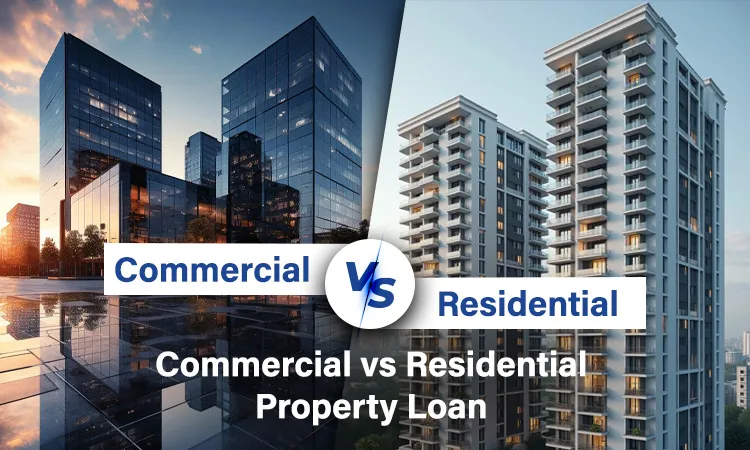
Commercial Property vs Residential Property Loan
A property is often considered one of the most valuable assets a person owns. Beyond...
Read more
How to Spot a High-Growth Real Estate Project Before Everyone Else
Investing in real estate is often about timing. The biggest gains are usually made by...
Read more
Top 5 Cities with the Highest Real Estate ROI in 2026
The Indian real estate market is changing rapidly in 2026. Earlier, investors mainly focused on...
Read more
Real Estate Market Predictions for the Second Half of 2026
The real estate market is entering a very different phase in 2026. After facing slow...
Read more
Smartworld Sky Arc: High ROI Opportunity in Premium Real Estate
There’s a pattern most investors ignore: by the time a location feels “safe,” most of...
Read more
Tax Benefits of Investing in Real Estate
Taxes feel like a leak that is quite constant in your income. Imagine this: you...
Read more