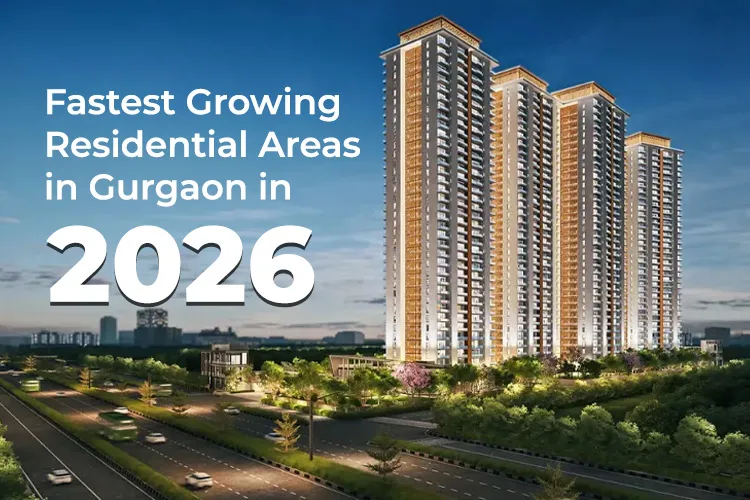
2026 has come to an end, and we look ahead to 2026. The residential real estate landscape in Gurgaon is evolving very clearly. It is not happening very haphazardly. The growth isn’t random; it’s all the more concentrated where infrastructure meets affordability housing options. If you’re thinking about investing or buying a home in Gurgaon in 2026. You need to understand where demand will materialize for real.
Here are the residential areas in Gurgaon for 2026 that are developing at maximum speed. The growth is backed by what’s actually driving value, not just marketing hype.
Gurgaon’s Fastest-Growing Residential Hotspots in 2026
Let us now look at the areas in Gurgaon that are emerging rapidly and are the best options for investors to invest in.
Southern Peripheral Road (SPR), Demand Meets Connectivity
Without all the fluff, SPR is the single biggest engine for growth in Gurgaon residential real estate today.
Why the demand is increasing:
- Unmatched connectivity: Direct routes to all the major areas like NH-48, Dwarka Expressway, and Sohna Road mean seamless access to Delhi, IGI Airport, and major hubs known for business.
- Infrastructure in motion: Ongoing widening of the road, new flyovers, and eventually metro connectivity are turning SPR from a ‘potential’ area into a choice that comes very naturally for families and investors.
- Appreciation of price: Over the last 5 years, micro-market price growth has consistently outpaced much of Gurgaon’s traditional belts. This is why so many people want to invest in Gurgaon real estate these days, mainly because of the emerging micro-markets.
This isn’t growth by choice. It’s structural. Professionals working in Cyber City, Golf Course Road, or even Delhi are choosing SPR for the commute plus space trade-off.
User insight: For those who want a living space that’s very expansive, SPR is where end-users are increasing demand faster than buying based on just speculations. That’s real growth that’s going to stick around for a long time now.
Dwarka Expressway, The Connectivity King
Dwarka Expressway has consistently been on analysts’ radars, and for good reason:
- Infrastructure payoff: With key phases completed, travel times to Delhi and IGI Airport have reduced to a great extent. It is a practical benefit, not theoretical.
- Metro promise: The metro extension that has been proposed will unlock even more demand once it starts operating. That will drive more growth in 2026.
- Residential + commercial synergy: Office leasing along the corridor has increased. It is boosting demand for options for housing nearby.
Here’s why this matters for 2026: connectivity isn’t just about infrastructure that’s been built, it’s about the shifting patterns in usage and lifestyle. Dwarka Expressway is past speculation; it’s acting like an established corridor with future upside.
New Gurgaon (Sectors 76–95) -The Balanced Growth Zone
New Gurgaon has quietly become a sweet spot for buyers who want growth within a short time. What keeps it growing:
- Planned development: Roads, utilities, schools, and healthcare are no longer pending promises; they’re underway or complete.
- Affordability vs. quality: Prices here - often 10-15% lower than comparable locations - attract millennials, young families, and first-time buyers.
- Transit-oriented potential: The upcoming Delhi-Alwar RRTS will significantly improve connectivity to Delhi and beyond.
With price points that still leave room for appreciation, New Gurgaon is not a growth zone by default; it’s in fact one of the best sectors to stay in Gurgaon.
Sohna Road & South Gurgaon, Growth With Value
Sohna Road and the adjacent south sectors are not flashy, but they are solid.
Why this area isn’t slowing down:
- Value absorption: It still costs less per sq ft than central Gurgaon, yet offers near-equivalent lifestyle infrastructure.
- Family demand: Larger apartments, green environs, Vastu-compliant spaces to stay in, and schools/hospitals make it attractive for end-users rather than just investors.
- Connectivity to employment hubs: Golf Course Extension Road, NH-48, and SPR linkages make commutes practical.
This growth isn’t explosive; it’s sustainable. That’s exactly what many long-term buyers want.
Gurgaon-Manesar Region, The Industrial + Residential Mix
Often overlooked, the Gurgaon-Manesar belt has quietly developed into a growth node.
- Corporate migration: More companies are choosing campus-style offices here, which in turn increases residential demand.
- Peripheral yet connected: Practical access to NH-48 and several expressways means commutes are manageable.
- Price momentum: Still below premium belts, yet with visible infrastructure growth.
Real estate growth here is functional, not glamorous, but that’s exactly why demand is sticky.
What’s Driving Growth Across These Areas?
To make sense of why these zones are growing fastest, strip away marketing language and look at fundamentals:
Connectivity Equals Real Demand
Locations with better road networks, metro links, and multi-modal access are translating into actual interest, not speculative chatter. Commuters use these routes daily.
Employment Proximity Matters
Demand isn’t just about homes; it’s about jobs within a reasonable commute. Zones near Cyber City, global corporate parks, and logistics hubs are seeing real absorption.
Infrastructure Is Being Delivered, Not Just Promised
Areas with completed or infrastructure projects that are almost done (roads, water, sewage, schools) attract buyers. People don’t just rely on promises these days; They look out for efficient delivery.
Analyst Growth is not Market Growth
Numbers projected by companies matter less than what buyers are actually willing to pay today, based on convenience and quality of life.
How Buyers and Investors Should Think in 2026
Here’s the honest truth: you don’t buy because an area is “trending”. You buy because:
- Jobs are accessible
- Roads/metro are usable by the residents of the city
- Schools and hospitals are present or close to completion
- Price growth is backed by tangible utility, not hype
If an area doesn’t check these boxes, it’s risky to assume it will appreciate just because a developer launched a project there.
Bottom Line
The fastest-growing residential areas in Gurgaon for 2026 aren’t random. They’re driven by practical connectivity, infrastructure delivery, and genuine end-user demand. SPR, Dwarka Expressway, New Gurgaon, Sohna Road, and parts of Gurgaon-Manesar are the standouts, not because they sound good in a brochure, but because they deliver what buyers actually need.
If you’re buying to live in the property or renting it out, your priorities should align with these fundamentals, not just the projection charts.
Our Latest Blogs


Related Blogs

What Defines Luxury Living in Gurgaon in 2026?
For years, luxury real estate was easy to define: bigger homes, locations that are better,...
Read more
Gurgaon vs Noida : Where Should You Invest in 2026?
There comes a point where scrolling through listings and watching videos on properties stops being...
Read more
Rental Market in Gurgaon: Best Areas for High Returns
If you’re looking at Gurgaon purely from an investment angle, rental income is where things...
Read more
Luxury Projects in Gurgaon for Investment in 2026
Let’s be honest for a second. Not every “luxury project” in Gurgaon is actually worth...
Read more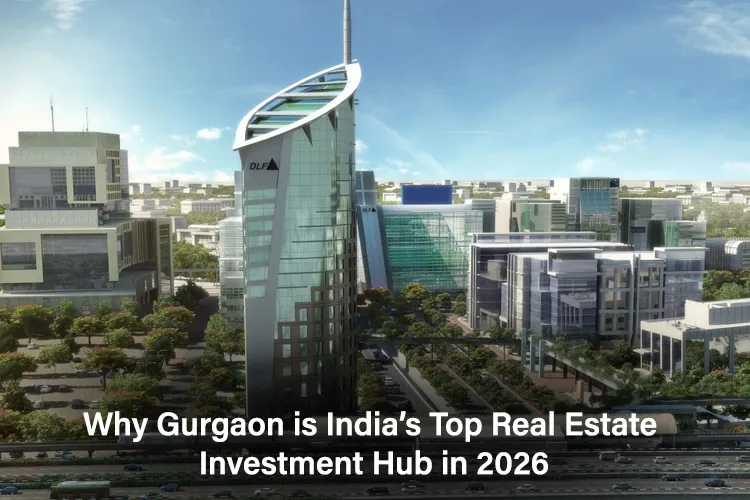
Why Gurgaon is India’s Top Real Estate Investment Hub in 2026
There’s a reason every conversation about property that is serious in 2026 eventually stops on...
Read more
Top DLF Residential Projects in Gurgaon
Over the past two decades, Gurugram has evolved to a great extent. It has gone...
Read more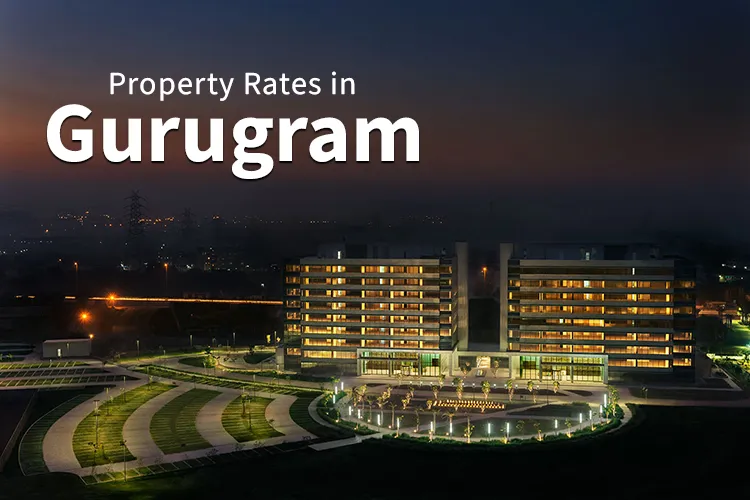
Property Rates in Gurgaon (2026): Latest Prices, Zone-Wise Breakdown & Investment Insights
Think about this and tell me whether this happens to you frequently. Do you often...
Read more
Top 10 Tallest Buildings in Gurgaon With Locations (2026)
If you think Gurgaon is just growing outwards, you are wrong. The city is growing...
Read more