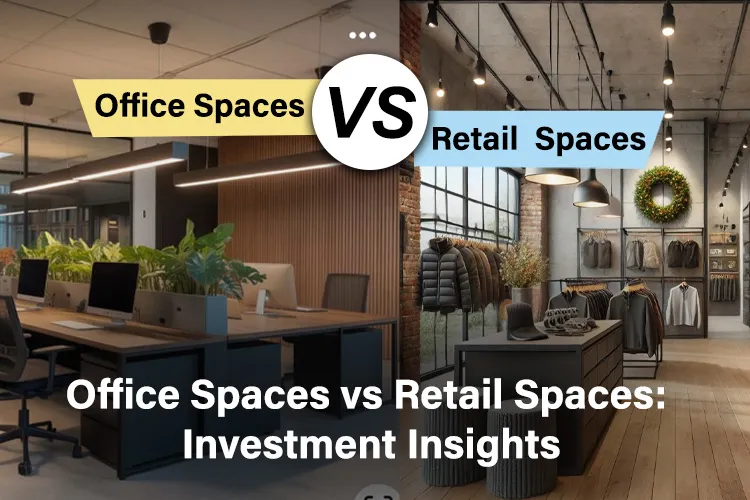
Commercial real estate has always held a charm for investors that is very specific. Unlike residential property, commercial assets often promise rental yields that are stronger, tenants for the long term, and the possibility of meaningful appreciation in capital. But when it comes to choosing the right class of asset, many investors find themselves standing at a crossroad: should they invest in office spaces or retail shops?
Both segments belong to the same commercial ecosystem, yet they function very differently. One thrives on activity related to business and demand in the corporate field, while the other is driven by the behavior of the consumer and footfall. Understanding how these two worlds operate can help investors make a decision that is extremely smart and also strategic.
Let’s explore the key differences and insights related to investment that define office spaces vs. retail spaces.
Table of Contents
- Two Commercial Worlds: Business Corridors vs Consumer Streets
- The Return Equation: Higher Yield vs Consistent Income
- Demand Dynamics: Consumers vs Corporations
- Vacancy Risks: The Investor’s Silent Enemy
- Capital Appreciation: Where Long-Term Value Builds
- Leasing Dynamics: Active vs Passive Ownership
- Risk Profiles: Volatility vs Stability
- The Location Factor: The One Rule That Never Changes
- So, Which One Should You Choose?
- Final Thoughts
Two Commercial Worlds: Business Corridors vs Consumer Streets
At a level that is very fundamental, the difference between office spaces and retail shops lies in who uses them and why.
Office spaces are designed for businesses. They are usually located in corporate parks, districts where business is carried out, or towers of commerce where companies establish their base of operations. Demand for properties related to offices largely depends on the growth in the economy, expansion in the corporate world, and trends in employment.
Retail spaces, on the other hand, are designed for consumers. These properties are found in shopping malls, high streets, developments that are mixed-use, and hubs for entertainment. Their success depends heavily on visibility, accessibility, and the footfall of the customers.
If we have to put it very simply, office properties thrive when businesses grow, while retail properties flourish when the spending of the consumer rises. But yes, one thing is for sure, for both cases, you need to be updated with the latest commercial property loan rates in Gurgaon.
The Return Equation: Higher Yield vs Consistent Income
One of the biggest reasons investors consider commercial real estate is the potential for better returns compared to residential property.
Retail spaces often deliver rental yields that are higher. This is especially true when located in retail zones that are prime or malls that are very popular. In many markets, retail shops can generate returns every year ranging from 8% to 12%. Restaurants, brands dealing in fashion, cafes, and outlets related to lifestyle are often willing to pay rents that are very premium for spaces that guarantee strong customer visibility. This is because these are some of the factors that give rise to property appreciation in real estate.
However, these higher returns can sometimes come with a great deal of fluctuation. When you look at trends related to customers, these trends change quickly. One thing to note is that businesses that rely on foot traffic may not always survive in the long run.
Office spaces typically offer more moderate returns that are very stable, usually between 6% and 9% annually. The key advantage here is the nature of corporate leasing. Companies often sign long-term agreements that last several years. This provides investors with rental income that is very predictable.
So while retail might promise higher short-term gains, office investments often provide a smoother and more predictable income stream.
Demand Dynamics: Consumers vs Corporations
Another crucial factor in the office spaces vs. retail spaces debate is what drives demand.
Retail demand is shaped by the behavior of the consumer. Locations with high traffic, like restaurants, venues for entertainment, and brands that are very popular, usually perform well. When an area becomes a destination for lifestyle, retail spaces in that zone tend to command rents that are very premium.
However, retail demand can also be sensitive to trends that are constantly changing. The rise of e-commerce platforms and shopping on online platforms has forced many retailers who are traditional to rethink their physical-store strategies.
Demand for offices, meanwhile, is tied to expansion in the economy and corporate growth. Cities with strong IT, finance, and startup ecosystems usually witness demand that is consistent for office spaces. When businesses grow, they need more spaces for working, rooms for meetings, and facilities related to operations.
Even with the rise of hybrid working models, modern companies still prefer well-designed offices that support collaboration and productivity.
Vacancy Risks: The Investor’s Silent Enemy
For any real estate investor, vacancy is one of the biggest risks. A property without tenants means no rental income.
Retail spaces often face higher risks when it comes to vacancy, particularly in secondary locations or malls that are underperforming. If a shopping complex fails to attract visitors, retailers may struggle to sustain their business, leading to tenant turnover.
Retail tenants also tend to change more frequently because business success in consumer markets can be unpredictable.
Office spaces generally experience lower vacancy levels, especially in established corporate zones. Businesses prefer stability and rarely relocate frequently because shifting operations can be costly and disruptive. So you should always know whether it is a long-term or a short-term real estate investment.
As a result, once an office property secures a reliable corporate tenant, it can remain occupied for years.
Capital Appreciation: Where Long-Term Value Builds
While rental income is important, many investors also look at appreciation in capital when evaluating property in the commercial sense.
Retail spaces located in high-street areas that are prime or successful districts for shopping can experience growth in value that is really, really remarkable. Locations that become lifestyle hotspots often witness a sharp rise in the prices of property over time.
However, appreciation in retail is extremely dependent on the location. A mall that is performing very poorly or a commercial zone that is declining may see growth that is limited.
Office spaces, by contrast, typically appreciate at a steady and gradual pace. Business districts benefit from infrastructure development, transportation connectivity, and corporate expansion, all of which contribute to long-term value growth.
Areas near metro corridors, expressways, and emerging technology hubs often see office property values rise steadily.
Leasing Dynamics: Active vs Passive Ownership
Managing commercial property is not always a passive investment. The nature of tenants and lease agreements plays a significant role in determining how much involvement an investor needs.
Retail properties usually require more hands-on management. Lease negotiations may occur frequently, and landlords may change depending on the performance of the business. Investors often need to monitor the mix of tenants, durations of the lease, and patterns and records of how people are visiting to keep the property profitable.
Office properties typically involve longer lease agreements, which makes ownership relatively more passive. Corporate tenants often sign leases ranging from three to nine years, ensuring continuity.
That said, modern office tenants also expect high-quality amenities, advanced infrastructure, and well-maintained workspaces, which may increase operational responsibilities.
Risk Profiles: Volatility vs Stability
Every investment carries risk, and commercial real estate is no exception.
Retail investments can be high-reward but high-risk. Consumer preferences evolve quickly, and businesses that fail to adapt may shut down, leaving spaces vacant. Additionally, competition from digital commerce platforms continues to reshape the retail landscape.
Office investments are generally considered more stable, but they are not completely immune to change. Economic slowdowns, corporate downsizing, or oversupply in certain markets can influence demand.
However, locations of offices that are prime with strong infrastructure and a corporate presence that is very established tend to remain resilient.
The Location Factor: The One Rule That Never Changes
Whether the investment is retail or office, one principle remains constant in real estate: location defines success.
Retail shops perform best in high-footfall zones, including the following:
- Popular shopping streets
- Mall complexes with anchor brands that are strong
- Entertainment zones and districts for dining
Office spaces, meanwhile, benefit from offices that are friendly for businesses, such as:
- Corporate parks
- Central districts for business
- Hubs for technology and startup ecosystems
Choosing the right micro-market can often make a bigger difference than choosing between retail and segments of office.
So, Which One Should You Choose?
The answer ultimately depends on how you plan to invest and how much risk you are able to take.
Retail properties may suit investors who are comfortable with fluctuations in the market and want to pursue rental yields that are higher and a potential for strong appreciation that is strong.
Office properties may appeal to investors seeking rental income that is stable, long-term tenants, and lower vacancy risks.
Many investors with a lot of good skills even choose to diversify across both asset classes, balancing the stability of office spaces with the growth potential of retail assets.
Final Thoughts
The debate between office spaces vs. retail spaces is not about which class of asset is better on a universal level. On the other hand, if you think about it, it is about understanding how each investment behaves within the ecosystem of real estate that focuses on commerce.
Retail properties thrive on the energy of the consumer, how visible the brand is, and footfall. Office spaces depend on the growth of business, corporate leasing, and the momentum of the economy.
For investors who take the time to analyze trends of the market, advantages of location, and tenant profiles, both segments can offer compelling opportunities. The key is not simply choosing commercial property but choosing the right commercial property in the right location at the right time.
Our Latest Blogs


Related Blogs
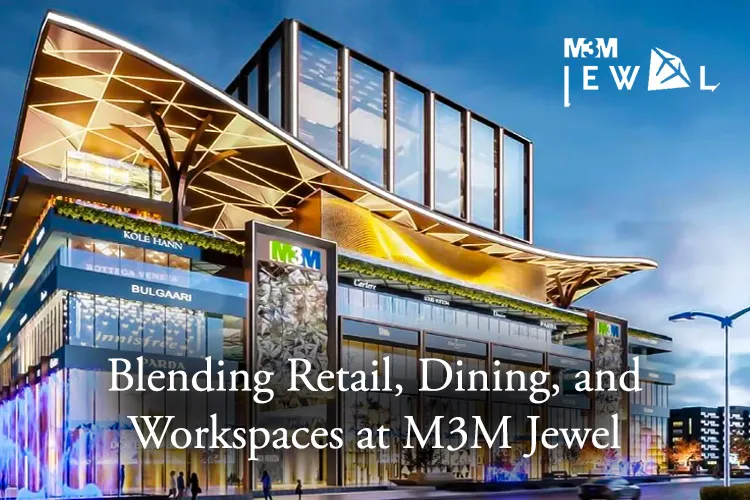
Blending Retail, Dining, and Workspaces at M3M Jewel Gurgaon
Commercial real estate in Gurgaon is no longer just about selling shops. It’s about creating...
Read more
Top 10 Tips to Choose the Right Location for Retail Spaces
There has to be a very meaningful platform where the story of your brand meets...
Read more
Retail Shops vs SCO Plots: Which Is a Better Investment?
Investing in commercial real estate is one of the most effective ways to build long-term...
Read more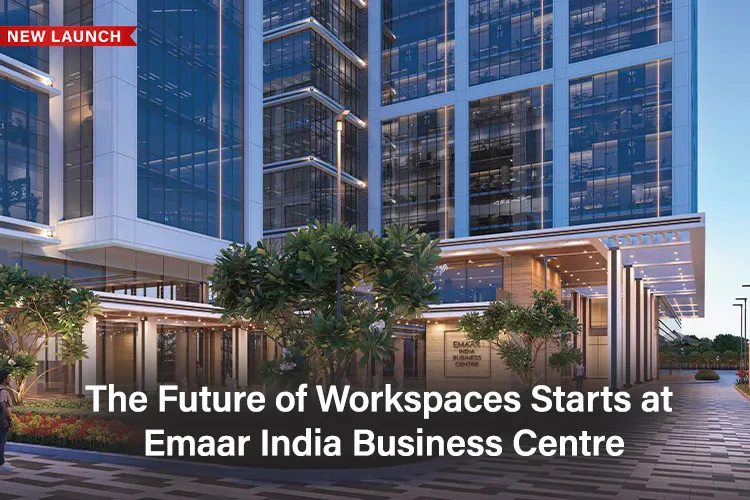
The Future of Workspaces Starts at Emaar India Business Centre
The idea of an office has quietly changed over the last few years. What used...
Read more
Property Rates in Gurgaon (2026): Latest Prices, Zone-Wise Breakdown & Investment Insights
Think about this and tell me whether this happens to you frequently. Do you often...
Read more
Best Commercial Projects in Gurgaon for Long-Term Investment
Gurgaon continues to remain one of the most attractive real estate markets in India, driven...
Read more
REITs vs Direct Property Investment: Which Offers Better Returns
There is a moment every investor reaches where the spreadsheets stop helping.One option promises flexibility,...
Read more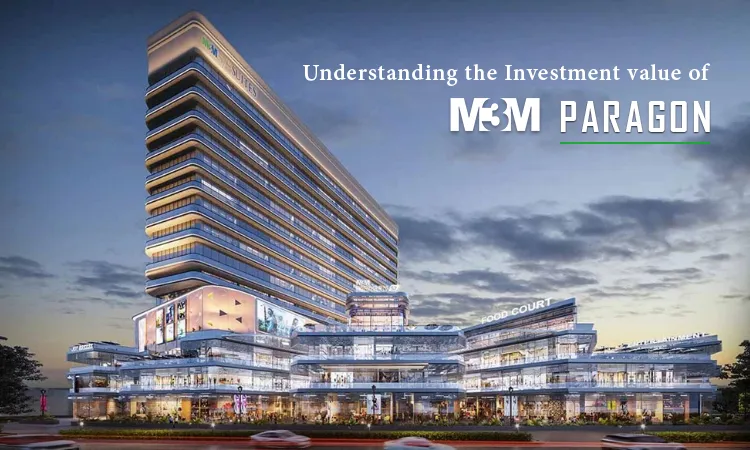
Understanding the Investment Value of M3M Paragon
Walk into a successful commercial destination and you will notice something interesting. People are not...
Read more