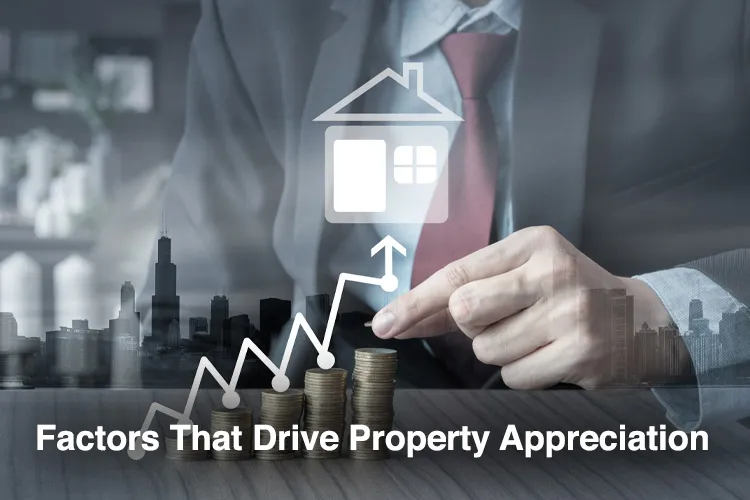
One of the biggest reasons people invest in real estate is how fast the property appreciates. Unlike many other assets, property has the potential to grow at a steady rate in value over time while also generating income from rental assets. This combination of growth in capital and flow of cash is what makes real estate such a powerful tool when it comes to the creation of wealth.
However, the prices of property don’t rise out of nowhere. Behind every increase in the value of property, there are several economic, social, and infrastructure-related factors at work. Understanding these factors is extremely important for buyers, people who own a home, and investors because it helps them make decisions that are smarter about where and when to invest.
Some properties appreciate to a significant extent over time, while others remain stagnant for years. The difference often comes down to a few key drivers that shape the real estate market.
Let’s explore the most important factors that influence property appreciation and determine whether a real estate investment will grow in value.
Table of Contents
- Location: The Foundation of Property Value
- Infrastructure Development
- Economic Growth and Opportunities for Employment
- Interest Rates and Housing Affordability
- Government Policies and Regulations
- Supply and Demand Dynamics
- Quality of Construction and Developer Reputation
- Lifestyle Amenities and Neighborhood Appeal
- Inflation and Construction Costs
- The Importance of Market Timing
- Final Thoughts
Location: The Foundation of Property Value
In real estate, there is a very popular phrase. You must have heard this at least once: location, location, location. We know that it sounds like it has been repeated a lot of times when we talk about residential properties in Gurgaon or commercial ones. Despite that, it continues to be one of those that are the most accurate when you invest in a property.
The location of a property plays a role that is very crucial in determining the value of the property in the long term. Homes located in neighborhoods that are very well developed with good connectivity, in the social aspect, and safety tend to appreciate fast.
For example, properties located close to districts where businesses, metro stations, institutes for education, hospitals, and zones for entertainment naturally attract more buyers and tenants. As demand rises in these areas, prices in property increase as well.
At the same time, locations that are upcoming can also offer excellent potential when it comes to appreciation. Investors who identify areas that are developing early often benefit the most once infrastructure projects take place and cities develop.
Infrastructure Development
Development is one of the strongest drivers of property price growth.
When governments invest in roads, networks of metro, highways, airports, and public transport systems, nearby areas often experience appreciation in real estate that is very strong. Improved connectivity makes these locations more accessible and convenient. This increases demand for housing and spaces that are very commercial.
For instance, the construction of metro corridors in many Indian cities has significantly increased the value of property in areas surrounding the property. Improved accessibility reduces the time for commuting. This is why infrastructure development is a major factor behind housing prices for people buying a home and for people who are working.
Similarly, new flyovers, expressways, and parks for businesses can transform areas that were overlooked previously into locations in real estate that are really, really prime.
Economic Growth and Opportunities for Employment
Here's a simple truth that you need to know. When the economy does well, real estate does well.
Think about it. When businesses grow, they hire more people. More jobs mean more income. More income means more people can actually afford to buy homes. Demand goes up, and so do prices.
Cities with job markets that are quite strong- think tech hubs, financial centers, and manufacturing belts, tend to attract people from all over. And where people move, demand for housing follows.
But flip that around. If an area doesn't have much economic activity, not many people are moving there. Less demand means price growth that is slower. As simple as that.
Interest Rates and Housing Affordability
Interest rates play a significant role in shaping real estate demand.
Most property purchases involve home loans. This thing means borrowing costs directly affect the purchasing power of the buyers. When rates of interest are low, mortgages become more affordable. If you think about it, this arrangement encourages more people to buy homes.
This surge in demand often leads to an increase in the price of homes. This is why one should always keep an eye on the property rates in Gurgaon or in their desired city of living.
On the other hand, when interest rates rise, loan repayments become more expensive. This can reduce buyer demand, slowing down property price growth.
For investors, monitoring interest rate trends is important because they can influence both market activity and property appreciation.
Government Policies and Regulations
Government policies also have a powerful influence on real estate markets.
Changes in tax regulations, housing incentives, infrastructure spending, and urban planning policies can significantly affect property demand and pricing.
For example, initiatives that support affordable housing or offer tax benefits to homebuyers often stimulate demand in the market. Similarly, regulatory frameworks that improve transparency and accountability in the real estate sector can boost buyer confidence.
In India, regulatory reforms such as the Real Estate (Regulation and Development) Act have played an important role in increasing transparency and strengthening trust between developers and buyers.
When investors feel confident about the regulatory environment of a market, they are more likely to invest, which can drive property prices upward.
Supply and Demand Dynamics
Real estate markets are heavily influenced by principles of economics that are very basic. These are supply and demand.
When the number of buyers exceeds the number of properties that are available, prices increase very naturally. This situation often occurs in urban areas that are growing extremely quickly. In these areas, the housing demand is high; there is limited available land.
Conversely, when too many properties are available and demand is weak, prices in the property may stagnate or even decline.
Developers and investors closely monitor levels of supply to determine whether a particular market is experiencing a shortage or oversupply of housing.
Markets with limited land availability and growing populations tend to see stronger long-term appreciation.
Quality of Construction and Developer Reputation
It’s a very simple thing that the reputation of a developer can significantly impact a property’s value.
Projects developed by builders with a lot of reputation and a strong track record often command prices that are very high in the market. Buyers are generally willing to pay a premium for properties built by developers whom a lot of people trust. This is because they are more confident about the quality of construction, timely delivery, and long-term maintenance.
Well-maintained residential communities with modern amenities, security systems, green spaces, and good property management also tend to appreciate faster.
If you look at it in contrast, buildings that are constructed very poorly or projects with legal or structural issues that haven’t been resolved may struggle to retain their value.
Lifestyle Amenities and Neighborhood Appeal
People who are buying a home and are very modern are not just purchasing property. They are investing in a lifestyle.
Amenities such as parks, centers dedicated to fitness, pools where people can swim, retail spaces, and facilities for recreation can significantly increase a property’s attractiveness. Gated communities with high-quality amenities often experience stronger appreciation because they offer a better living experience.
Neighborhood aesthetics also matter. Clean streets, greenery, public spaces, and well-maintained surroundings can enhance the overall appeal of a location. For example, the house prices will obviously be higher in the best sectors of Gurgaon to live in.
There’s one simple thing that you should know. When an area offers a high quality of life, it naturally attracts more residents and investors, which drives property values upward.
Inflation and Construction Costs
Inflation can indirectly influence property appreciation as well.
When the cost of construction materials, labor, and land increases, the overall cost of developing new properties rises. As a result of this, newly constructed properties become more expensive, which can push up the value of existing homes.
However, inflation alone does not guarantee property price growth. Demand, infrastructure, and economic conditions must also support rising prices.
The Importance of Market Timing
Timing is something that matters a lot in real estate.
If you get in before the big development happens, that's where the real money is. Investors who are early in up-and-coming areas often see gains that are the biggest once the infrastructure and offices start coming in.
But here's the catch: if you buy when prices are already at their peak, there's not much room left for the prices to grow.
So while buying a home, do your homework, think about how you will fare in the long term, and never just chase the hype.
Final Thoughts
If you've read this far, one thing is clear to you. Property appreciation isn't just one thing. It's a mix of factors all working together.
The big ones? Location, infrastructure, growth in economy, interest rates, new policies the government comes up with, and shifts in demography.
Whether you're buying to live or buying to invest, understanding these factors is something that changes the game completely. Don't just look at what a property costs today. Ask yourself, where is this place headed in 5, 10, or 20 years?
Real estate has always been a long game. And those who stay patient? They're usually the ones who win. So pay attention to what's driving growth around you. This is because that's how property turns into real wealth over time.
Our Latest Blogs


Related Blogs

Key Factors Influencing Property Prices in Gurugram
Here’s a fact that you should be knowing. Gurugram is often called the ‘Millennium City’....
Read more
Leasehold vs Freehold Property: Which One Should You Choose?
Buying a house is often considered one of the biggest financial decisions a person makes....
Read more
Commercial Property vs Residential Property Loan
A property is often considered one of the most valuable assets a person owns. Beyond...
Read more
REITs vs Direct Property Investment: Which Offers Better Returns
There is a moment every investor reaches where the spreadsheets stop helping.One option promises flexibility,...
Read more
The Address Advantage of DLF Amaltas Drive
Some addresses become important because of what is built around them. Others become important because...
Read more
How DLF Amaltas Drive Combines Privacy, Prestige, and Comfort
Luxury homebuyers today are looking for far more than residences that are spacious and premium...
Read more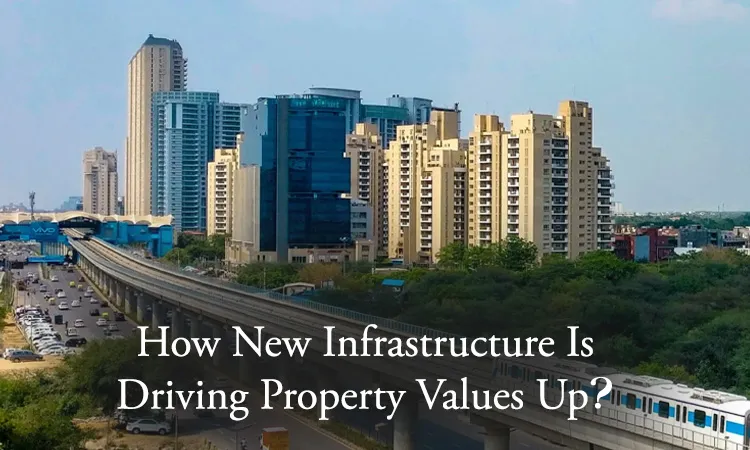
How New Infrastructure is Driving Property Values Up
There was a time when buyers mainly looked at the size of the property, the...
Read more
Can Godrej Zenith Deliver Both Lifestyle and Appreciation?
In Gurgaon’s fast-moving real estate market, buyers are no longer choosing homes based only on...
Read more