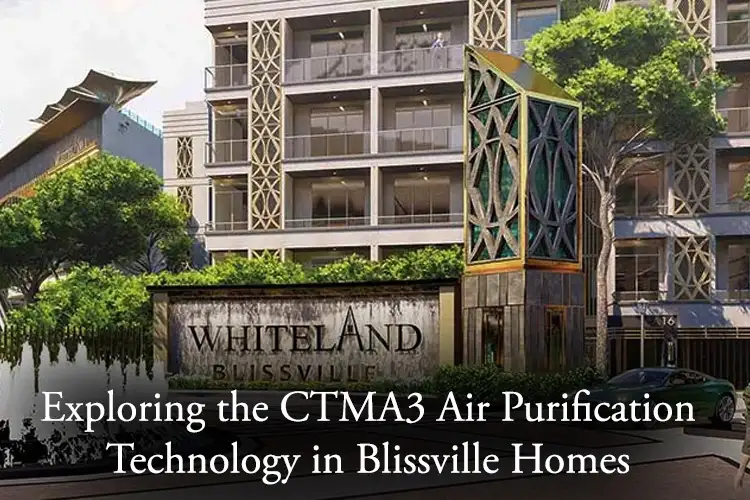
Let’s get one thing straight. In the real estate market of today, things are not just limited to finishes that are premium or layouts that have a lot of space. Nowadays, it includes living environments that are focused on health. As concerns about the quality of air in cities continue to rise in urban cities like Gurgaon, homebuyers are paying closer attention to how developments in the residential space support cleaner air inside the premises of the property.
Advanced air purification systems such as CTMA3 technology represent a shift that’s growing toward design that’s driven by wellness. Developments like Whiteland Blissville in Sector 76, Gurgaon, highlight this evolving approach by emphasizing things like ventilation, sustainability, and future-ready living standards that promote healthier lifestyles.
Table of Contents
- The Growing Need for Advanced Indoor Air Solutions
- What is CTMA3 Air Purification Technology?
- Key Components That Power the System
- How the CTMA3 Process Works
- Benefits of Integrated Air Purification in Modern Homes
- How Whiteland Blissville Supports Health-Focused Living
- A Future-Ready Approach to Urban Living
- Conclusion
The Growing Need for Advanced Indoor Air Solutions
Urban environments often expose residents to dust, pollutants, allergens, and airborne bacteria. Even indoor spaces can accumulate contaminants from outside air, construction activity, and daily living. Traditional portable air purifiers offer limited coverage, which is why integrated air purification systems are gaining popularity in premium residential developments.
Technologies similar to CTMA3 aim to provide whole-home purification rather than isolated filtration in a single room. This approach ensures consistent indoor air quality, supporting overall well-being and improving comfort for families, working professionals, and children.
What is CTMA3 Air Purification Technology?
CTMA3 is a multi-stage air purification concept designed to deliver cleaner and healthier indoor air through advanced filtration and pathogen-neutralizing processes. Instead of relying on a single filter, the system combines multiple layers of air treatment to address a wide range of pollutants.
When we talk about pollutants, we mean everything from coarse dust particles to microscopic contaminants. Its integrated approach allows air purification to function seamlessly within a building’s ventilation system, creating a continuous flow of filtered and refreshed air throughout living spaces.
Key Components That Power the System
One of the strengths of CTMA3 technology lies in its layered design, where each component performs a specific role in purifying indoor air. It’s a fact that with the help of technology, homes are being built in a very different way.
- Pre-Filters: Capture larger particles like dust, hair, and pollen before air moves to finer filtration stages.
- Electronic Air Cleaners: Use electrostatic charges to attract and remove smaller particulate matter such as PM2.5.
- Media and Carbon Filters: Eliminate harmful gases, odors, and volatile organic compounds (VOCs) commonly found in urban environments.
- HEPA Filtration: Ensures high-efficiency removal of microscopic airborne pollutants.
- PHI (Photo-Hydro-Ionization) Technology: Uses advanced oxidation processes with UV light to neutralize bacteria, viruses, and airborne microbes.
Together, these layers create a comprehensive air treatment system that addresses both visible and invisible pollutants.
How the CTMA3 Process Works
The purification process follows a “trap and neutralize” model. As outside air enters the home, it passes through multiple filtration layers that remove dust and allergens. Simultaneously, ultraviolet germicidal processes work to deactivate microorganisms, helping reduce airborne contamination.
Advanced heat exchangers help maintain indoor temperature while fresh air circulates, ensuring energy efficiency. The system also includes an exhaust mechanism that removes stale or polluted air from living spaces, supporting continuous indoor air renewal.
Benefits of Integrated Air Purification in Modern Homes
Homes equipped with advanced air purification technologies offer several advantages for residents. Cleaner air can help reduce respiratory irritation, allergies, and indoor pollutants commonly found in densely populated cities. Continuous filtration supports healthier living conditions by lowering particulate matter levels such as PM2.5 and PM10.
By combining air purification with ventilation systems, residents experience consistent indoor air quality without needing multiple standalone devices. This approach also aligns with the growing demand for wellness-focused residential environments.
How Whiteland Blissville Supports Health-Focused Living
While Whiteland Blissville is known for its premium layouts, green spaces, and sustainable planning, the emphasis on ventilation, natural light, and smart home design complements the concept of healthier indoor environments.
Among the things that people need to know about Whiteland Blissville homes is that the property has spacious apartments with cross-ventilation, large balconies, and eco-friendly planning allow better air circulation and improved indoor comfort. These design choices reflect the broader trend in luxury developments where wellness, sustainability, and smart infrastructure work together to create a more balanced living experience.
A Future-Ready Approach to Urban Living
Modern buyers increasingly value homes that prioritize long-term health, sustainability, and convenience. Integrated air purification technologies represent an evolution in residential design where wellness features become as essential as traditional amenities. This is a facility that people need to know about even before getting their occupancy certificate.
As cities continue to expand, such systems may become a standard expectation rather than a luxury addition. Developments that adopt health-focused planning and smart infrastructure are more likely to remain relevant in the future real estate market.
Conclusion
CTMA3 air purification technology reflects the growing importance of indoor wellness in modern residential living. By combining advanced filtration, UV-based pathogen control, and energy-efficient ventilation, it offers a comprehensive approach to maintaining healthier indoor environments.
Projects like Whiteland Blissville demonstrate how design, sustainability, and wellness-oriented features can come together to create a balanced lifestyle. As homebuyers continue to prioritize health and comfort, integrated air purification solutions are set to play a significant role in defining the future of urban living.
Our Latest Blogs


Related Blogs

How Technology Is Changing the Way Homes Are Built and Sold
In the last ten years, the real estate industry has seen so many things change....
Read more
Why Income-Oriented Investors Are Exploring M3M Sky Lofts
For years, buyers investing in some sort of property focused primarily on how much it...
Read more
Exploring the Long-Term Value of Godrej Miraya
When we talk about the luxury housing market in Gurgaon, it has evolved to a...
Read more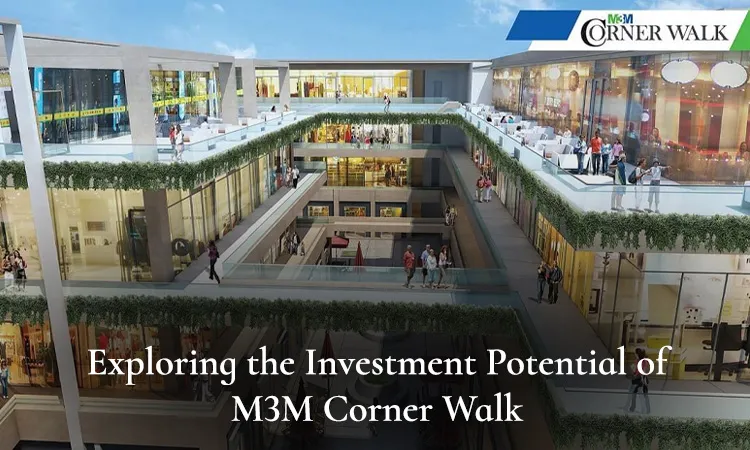
Exploring the Investment Potential of M3M Corner Walk
Commercial real estate in Gurgaon has entered a phase where investors are no longer chasing...
Read more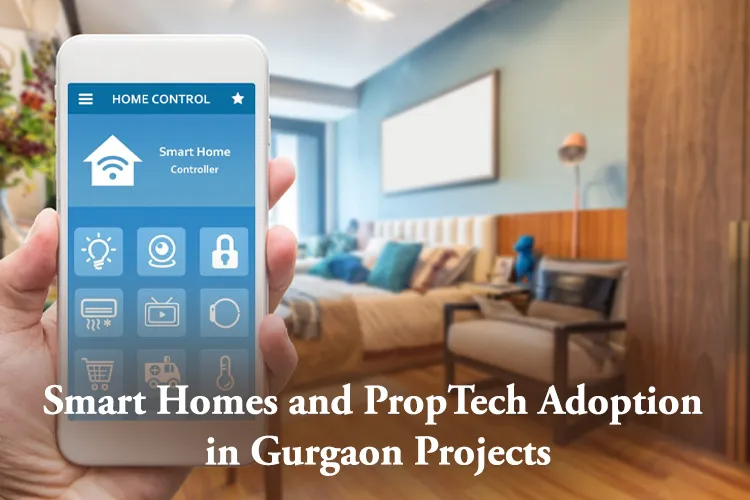
Smart Homes and PropTech Adoption in Gurgaon Projects
If you’ve been tracking real estate trends in Gurgaon lately, you’ve probably noticed one thing....
Read more
Sophisticated Homes at Puri Diplomatic Residences
Luxury in the context of the present day is no longer defined only by interiors...
Read more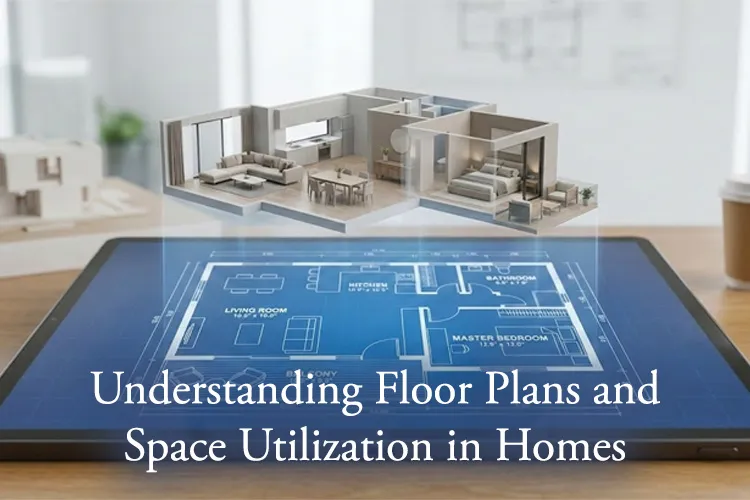
Understanding Floor Plans and Space Utilization in Homes
When you look at a home layout for the very first time, it can feel...
Read more
Things Homebuyers Should Know About Whiteland Blissville
With buyers increasingly prioritising well-planned communities, strong connectivity, and future potential for growth. Located in...
Read more