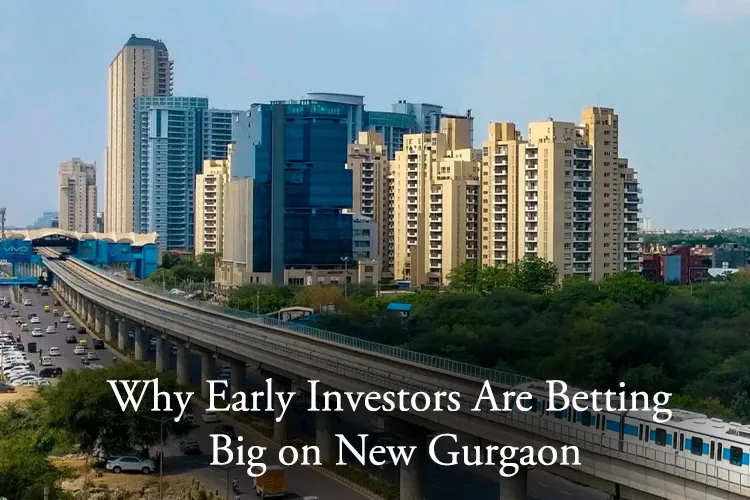
Most people enter real estate when everything already looks safe. Prices have risen, infrastructure is visible, and demand is obvious. That’s not investing; that’s following the crowd.
People who invest early operate differently. They enter when a location still looks “developing,” when discomfort exists, and when pricing hasn’t fully caught up to the potential in the future. That’s exactly what’s happening with New Gurgaon right now.
This is not hype. It’s a pattern that has already played out in Cyber City, Golf Course Road, and Dwarka Expressway. The difference is that New Gurgaon is still early enough for upside that is meaningful.
Table of Contents
- What Exactly Is New Gurgaon, and Why It Matters
- Infrastructure Is No Longer A Promise, It Is Catching Up
- The Shift Of Demand From Central Gurgaon To New Corridors
- Developers Are Not Guessing; They Are Positioning Early
- End-User Demand Is Quietly Building Strong Foundations
- Rental Market Potential Is Still Underrated
- Price Gap Between Potential And Reality Is Still Wide
- The Role Of The Global City And Long-Term Urban Planning
- Why Late Investors Will Pay The Price For Waiting
- Conclusion: New Gurgaon Is Not Early, But It Is Not Late Either
What Exactly Is New Gurgaon, and Why It Matters
New Gurgaon typically refers to sectors along NH-48 and beyond, including areas like Sectors 82 to 95 and surrounding belts. For years, this region was seen as secondary to hubs that are already established, like Golf Course Road.
That perception is now going out of style.
What makes New Gurgaon different is not just the fact that land is available; it’s planned expansion. Unlike older Gurgaon, which grew in patches, New Gurgaon is being developed with layouts that are structured, wider roads, townships that are integrated, and zoning that is better.
This matters more than people think. Unplanned growth creates congestion and limits long-term appreciation. Planned growth sustains it.
Infrastructure Is No Longer A Promise, It Is Catching Up
Growth in the real estate sector always follows infrastructure, not the other way around. And in New Gurgaon, infrastructure is no longer based on theory; it is taking shape in a very active manner.
The Dwarka Expressway is nearing full operational status, drastically improving connectivity to Delhi and IGI Airport. The Southern Peripheral Road has already enhanced internal movement, and NH-48 ensures direct access to corporate hubs like Cyber City and Udyog Vihar.
What early investors understand is simple:
Once infrastructure becomes fully operational, pricing adjusts almost immediately.
You don’t get a second chance at early-stage pricing after that.
The Shift Of Demand From Central Gurgaon To New Corridors
Central Gurgaon is reaching saturation. Land is limited, prices are already high, and entry points are not the reasons why people are looking to invest in Gurgaon real estate right now.
This naturally pushes demand outward.
New Gurgaon benefits directly from this shift. It offers lower entry prices in a relative manner while still being connected to the hubs of employment. For end-users, it provides conditions of living that are better. For investors, it offers higher appreciation potential.
This is not speculation; it’s a structural shift in how cities expand.
Developers Are Not Guessing; They Are Positioning Early
One of the indicators of growth in the future that is the clearest is where top developers choose to invest.
When you see luxury properties in New Gurgaon, you're seeing consistent activity from brands like DLF, Godrej, M3M, and others. These companies are not entering randomly. They are locking in land and launching projects based on long-term projections, not short-term trends.
Developers move early because they understand the cycles of absorption. By the time retail investors notice, pricing has already increased.
If developers who are serious are building aggressively in a location, it usually means one thing: they expect demand that is sustained, not spikes that are temporary.
End-User Demand Is Quietly Building Strong Foundations
Markets driven purely by investors are not very stable. Markets driven by end-users are not.
Observing closely, the luxury properties in New Gurgaon are seeing a steady increase in residents who are actual, not just investors holding inventory. Families are moving in because of better space planning, cleaner surroundings, and infrastructure. That is improving.
This matters because real estate value ultimately depends on people living there, not just buying there.
As occupancy increases, so does demand for retail, schools, healthcare, and daily services. This creates a self-sustaining ecosystem that supports long-term price growth.
Rental Market Potential Is Still Underrated
Most investors focus only on capital appreciation and ignore rental yield. That’s a mistake.
As corporate activity expands and more people move into New Gurgaon, areas for high rental demand are increasing steadily. Professionals working in nearby hubs prefer locations that offer better value for money without compromising connectivity.
Compared to central Gurgaon, rental entry points are still attractive here. That gap won’t last forever.
Early investors are positioning themselves not just for appreciation but to become stronger as occupancy rises.
Price Gap Between Potential And Reality Is Still Wide
This is where the real opportunity lies.
In mature markets, prices already reflect future potential. In emerging markets like New Gurgaon, they don’t, as of now.
There is still a noticeable gap between current pricing and what the location can command once infrastructure, occupancy, and commercial activity fully align.
Historically, Gurgaon has seen 25-30% price jumps in corridors after infrastructure completion. There’s no logical reason New Gurgaon would behave differently, given similar conditions.
The window exists because the market hasn’t fully priced in the future. Once it does, entry becomes expensive.
The Role Of The Global City And Long-Term Urban Planning
One of the biggest long-term triggers for New Gurgaon is the upcoming Global City project. Spread across a massive land, it is designed to integrate business, residential, and retail ecosystems in a structured way.
Projects like these don’t just add value; they reshape entire micro-markets.
As employment hubs shift and new business districts emerge, surrounding residential zones naturally benefit. Early investors position themselves before this transformation becomes visible to everyone.
Why Late Investors Will Pay The Price For Waiting
Waiting feels safe, but in real estate, it is often expensive.
By the time:
- Roads are fully operational
- Metro connectivity is visible
- Occupancy is high
…prices have already moved.
Late investors end up paying for clarity. Early investors get rewarded for conviction.
New Gurgaon is currently in that transition phase, no longer risky but not yet fully priced. That’s exactly where the best opportunities exist.
Conclusion: New Gurgaon Is Not Early, But It Is Not Late Either
New Gurgaon is no longer a location that is unknown location. The fundamentals are visible: connectivity, activity of the developer, residential growth, and planning in the long term.
At the same time, it hasn’t reached the saturation point where returns become limited.
That balance is rare.
Early investors are not betting blindly. They are responding to signals that have historically defined Gurgaon’s biggest growth stories.
The real question is not whether New Gurgaon will grow.
The question is whether you enter before or after that growth is fully priced in.
Our Latest Blogs


Related Blogs

Top 7 Reasons Investors Are Considering M3M Capital in Gurgaon
The luxury housing market along Dwarka Expressway has entered a new phase of growth. Infrastructure...
Read more
Why Trump Residences Gurgaon Attracts Ultra HNI Investors
Let’s revisit one fact about Gurgaon real estate that is quoted very often. Ultra-high-net-worth investors...
Read more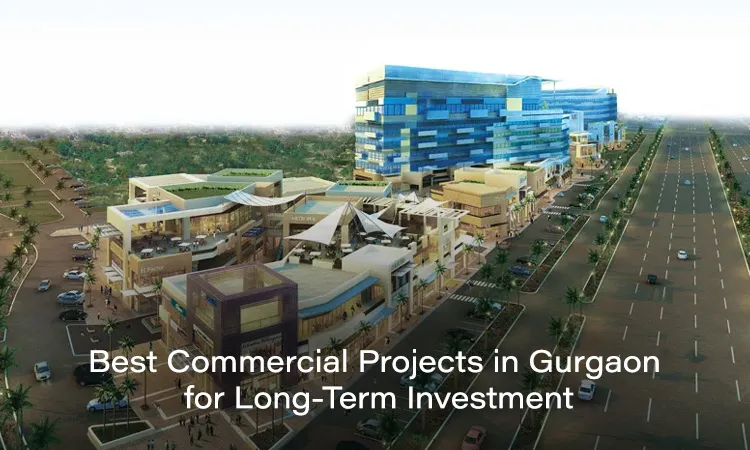
Best Commercial Projects in Gurgaon for Long-Term Investment
Gurgaon continues to remain one of the most attractive real estate markets in India, driven...
Read more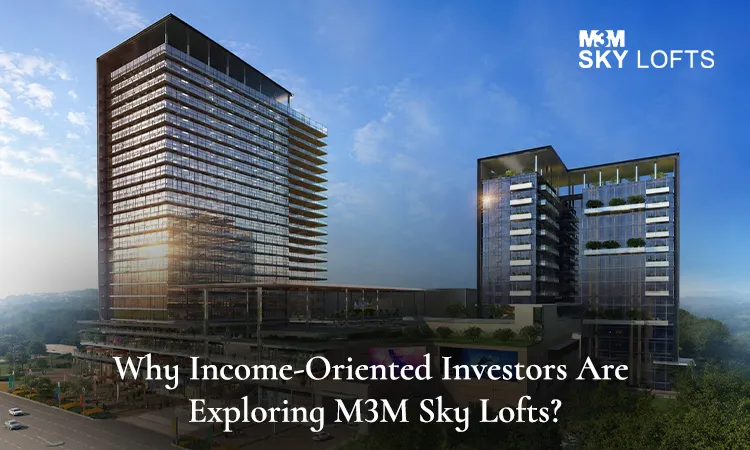
Why Income-Oriented Investors Are Exploring M3M Sky Lofts
For years, buyers investing in some sort of property focused primarily on how much it...
Read more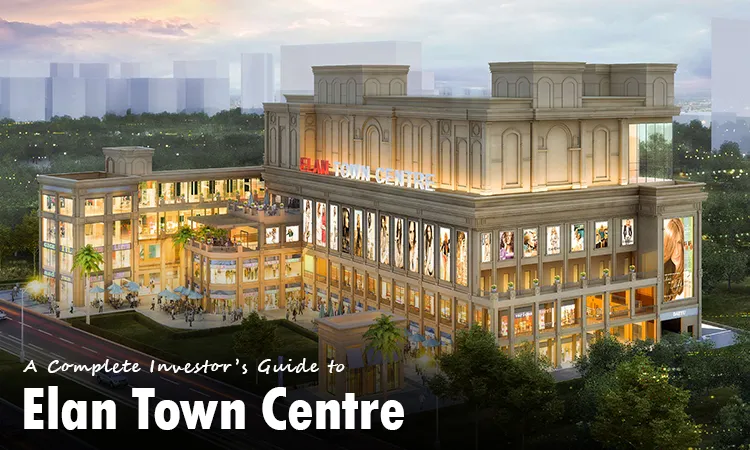
A Complete Investor's Guide to Elan Town Centre Gurgaon
Commercial real estate in Gurgaon has evolved in a very significant way over the last...
Read more
What Buyers and Investors Should Know About Elan Imperial
Gurgaon continues to attract businesses, investors, and brands looking for commercial spaces that are very...
Read more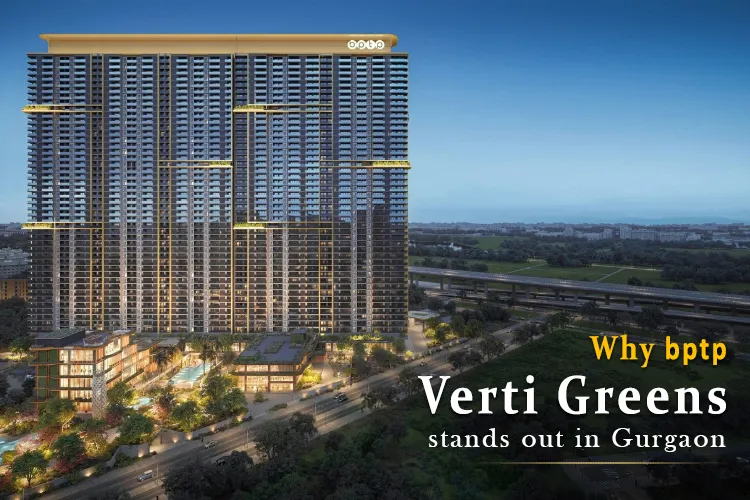
Why BPTP Amstoria Verti Greens Stands Out in Gurgaon
Gurgaon’s skyline has evolved rapidly over the past decade, but very few residential developments have...
Read more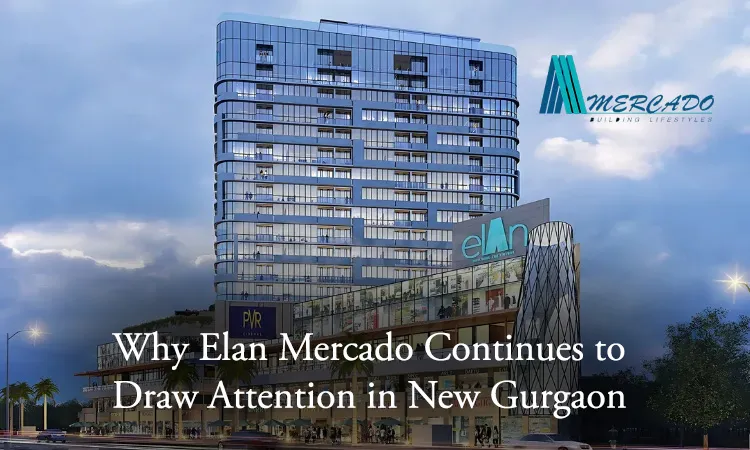
Why Elan Mercado Draws Attention in New Gurgaon
In a city where luxury towers, commercial hubs, and branded residences are rising almost everywhere,...
Read more