
In Gurgaon’s luxury housing market, “premium” has started looking very repetitive. Bigger clubhouses, taller towers, louder marketing, imported finishes, celebrity endorsements, almost every project today tries to appear larger than life. But after a point, buyers begin noticing something important. A luxury home is not only about what looks impressive in brochures. It is about how the space actually feels after living there for years.
That is where Godrej Properties seems to be taking a different route with Godrej Zenith.
Instead of creating a project that screams luxury at every corner, Godrej Zenith appears more focused on balance, comfort, functionality, and long-term livability. The project does have premium elements, but the overall approach feels controlled rather than excessive. And honestly, that is exactly what many serious homebuyers are beginning to prefer in 2026.
Table of Contents
- Luxury Today Is Becoming More Subtle
- The Wellness Focus Feels More Thoughtful Than Decorative
- The Interiors Prioritize Comfort Over Drama
- Sector 89 Is Quietly Becoming More Important
- The Scale Of The Project Creates A Self-Sustained Environment
- Buyers Today Are Moving Away From “Showpiece Luxury”
- Final Thoughts
Luxury Today Is Becoming More Subtle
A few years ago, luxury projects were designed mainly to impress visitors during site tours. Double-height entrances, oversized chandeliers, gold-toned interiors, and dramatic drop-off zones, developers knew visual impact sold quickly.
But buyer psychology has changed.
People now ask harder questions before spending ₹3 to 6 crore on a home. They want to know whether the project will still feel peaceful after five years. Whether the layouts are practical. Whether the ventilation works properly. Whether the density feels manageable. Whether maintenance will become difficult later.
That shift matters because modern luxury buyers are no longer purchasing only for status. They are purchasing for lifestyle quality.
Godrej Zenith reflects that transition quite clearly.
The project is spread across 14.21 acres with nearly 80% open area, which immediately changes how the development feels spatially. Even with 1,778 units planned across 124 towers, the focus on landscaped movement spaces, wellness areas, and breathing room reduces the feeling of congestion that many high-density projects struggle with.
The intention here does not feel like "Look at how extravagant this is.” It feels more like “this should remain comfortable for daily living.”
That difference is subtle, but extremely important.
The Wellness Focus Feels More Thoughtful Than Decorative
One thing that stands out at Godrej Zenith is how wellness has been integrated into the project beyond marketing language.
Many residential projects today use words like "wellness," "nature living," or "holistic lifestyle," but the actual execution often comes down to adding a yoga lawn and a few plants near the clubhouse.
Here, the planning appears deeper.
The project includes an extensive 1.4-kilometer health loop designed specifically for walking and running. There are dedicated meditation spaces, butterfly gardens, and quieter relaxation zones that seem intended for actual use instead of brochure photography.
The sports infrastructure also feels more current. Instead of only including conventional amenities, the project brings in features like padel courts, futsal zones, VR gaming rooms, climbing walls, and modern recreational areas that align better with how younger urban families spend time today.
Even the swimming facilities go beyond the standard checklist regarding what all defines luxury living these days in a generic sense. Olympic and half-Olympic pools, along with dedicated children’s pool areas, make the recreational planning feel properly scaled rather than merely symbolic.
This is where refinement becomes visible. The project is not trying to overload buyers with random amenities. It is trying to create a lifestyle ecosystem that feels usable.
The Interiors Prioritize Comfort Over Drama
A lot of premium projects in Gurgaon look stunning during possession but start feeling visually exhausting after some time because the design language is too aggressive.
At Godrej Zenith, the specifications suggest a more restrained design philosophy.
Large light-toned marble flooring, herringbone wooden patterns, sliding glass doors, oversized windows, and neutral wall treatments create a calmer visual environment. The double-height lobbies add elegance without feeling theatrical.
One particularly important detail is the Centrally Treated Fresh Air (CTFA) system installed in every kitchen.
Most buyers ignore ventilation systems while purchasing homes because developers rarely explain their long-term value properly. But after living in polluted urban environments for years, indoor air quality has become a serious factor for many families, especially after the pandemic years.
Features like CTFA systems are not flashy brochure elements. They are practical quality-of-life upgrades that genuinely affect daily living.
And that is exactly why the project feels refined. The priorities seem rooted in experience rather than presentation alone.
Sector 89 Is Quietly Becoming More Important
Another reason Godrej Zenith feels different is that it is positioned in a part of Gurgaon that is evolving steadily instead of chaotically.
Sector 89 Gurgaon has gradually transformed into one of New Gurgaon’s stronger residential zones. If you think about it, the luxury properties in New Gurgaon benefit from improved road infrastructure, planned metro connectivity discussions, access to NH-352W, and better social infrastructure compared to what existed here five or six years ago.
Unlike central Gurgaon locations that already feel saturated, Sector 89 still offers room for organized expansion.
The area also remains relatively more affordable compared to Golf Course Road or Golf Course Extension Road while still attracting premium branded developments. That creates stronger long-term appreciation potential because pricing growth still has headroom.
What also helps is the surrounding ecosystem. Schools, hospitals, shopping zones, and connectivity routes are steadily improving, which supports actual end-user living rather than purely speculative investment activity.
And increasingly, end-user demand is what sustains long-term project value.
The Scale Of The Project Creates A Self-Sustained Environment
Large-format residential developments often work better when they are designed correctly because they create stronger internal ecosystems.
At Godrej Zenith, the sheer scale of the township allows for better amenity distribution, larger landscaped zones, multiple recreation pockets, and broader community interaction spaces.
But importantly, the project still avoids looking overcrowded visually because of the open-area planning. In this way, Godrej Zenith offers both appreciation and an upgraded lifestyle to its residents.
That balance is difficult to achieve.
Many developers either go ultra-low density and make projects financially inefficient, or they overbuild and compromise resident experience. Godrej Zenith appears to sit somewhere in the middle, large enough to feel premium and self-sufficient, but planned carefully enough to avoid feeling chaotic.
Buyers Today Are Moving Away From “Showpiece Luxury”
One noticeable trend across Gurgaon’s residential market is that buyers are becoming less emotional about launch marketing.
People have seen enough ultra-luxury advertisements over the years. Now they look more carefully at execution quality, developer reputation, maintenance standards, ventilation, layouts, and community planning.
That is where established developers gain an advantage.
Godrej Properties has already delivered multiple residential projects across India, and buyers generally associate the brand with structured planning and long-term reliability rather than purely aggressive branding.
That trust matters more now because residential purchases have become far more calculated after the volatility buyers witnessed in the real estate market over the past decade.
Projects that focus only on glamour may generate short-term attention. But projects that feel stable, practical, and thoughtfully designed usually perform better over time with both end-users and resale buyers.
Final Thoughts
Godrej Zenith does not feel like a project trying too hard to prove it is luxurious. And strangely, that is exactly what makes it feel premium.
The development focuses more on livability, wellness, spatial comfort, cleaner aesthetics, and long-term usability instead of overwhelming buyers with visual excess. The project still offers scale, modern amenities, and premium specifications, but the overall personality feels calmer and more mature.
In a market where many developments are competing to appear louder, that quieter confidence can become a major advantage.
And honestly, for buyers planning to actually live in their homes rather than simply showcase them, refinement usually ages far better than flashiness.
Our Latest Blogs


Related Blogs

Can Godrej Zenith Deliver Both Lifestyle and Appreciation?
In Gurgaon’s fast-moving real estate market, buyers are no longer choosing homes based only on...
Read more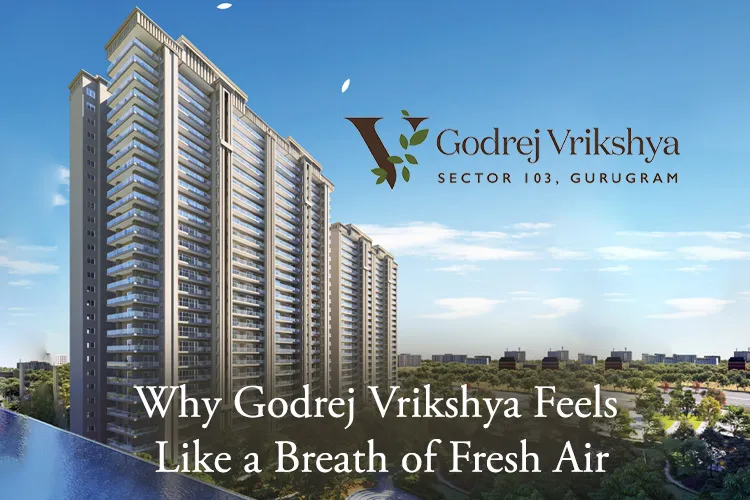
Why Godrej Vrikshya Feels Like a Breath of Fresh Air
Gurgaon is a city where high-rises keep multiplying with every passing day, and open spaces...
Read more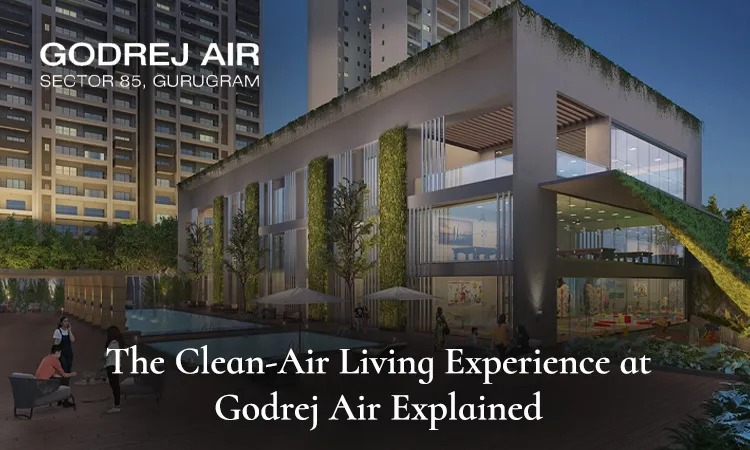
The Clean Air Living Experience at Godrej Air Explained
Modern urban housing in Gurgaon is increasingly defined by two competing realities. On one side...
Read more
Top Reasons to Consider Buying a Home at Godrej Miraya
Buying a home is rarely just about square footage or where it is located. It...
Read more
Why Godrej Air Appeals to Homebuyers Seeking a Healthier Lifestyle
For years, homebuyers in Gurgaon focused on location, how connected the property is, and how...
Read more
Exploring the Long-Term Value of Godrej Miraya
When we talk about the luxury housing market in Gurgaon, it has evolved to a...
Read more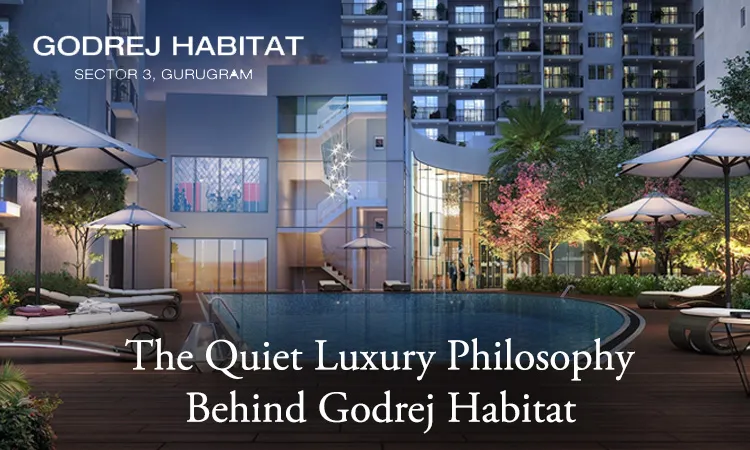
The Quiet Luxury Philosophy Behind Godrej Habitat
Luxury is changing. The days of oversized chandeliers, excessive ornamentation, and loud displays of wealth...
Read more
A Detailed Look at the Lifestyle Offered by Godrej Habitat
Godrej Habitat in Sector 3, Gurgaon is positioned as a residential project that blends the...
Read more